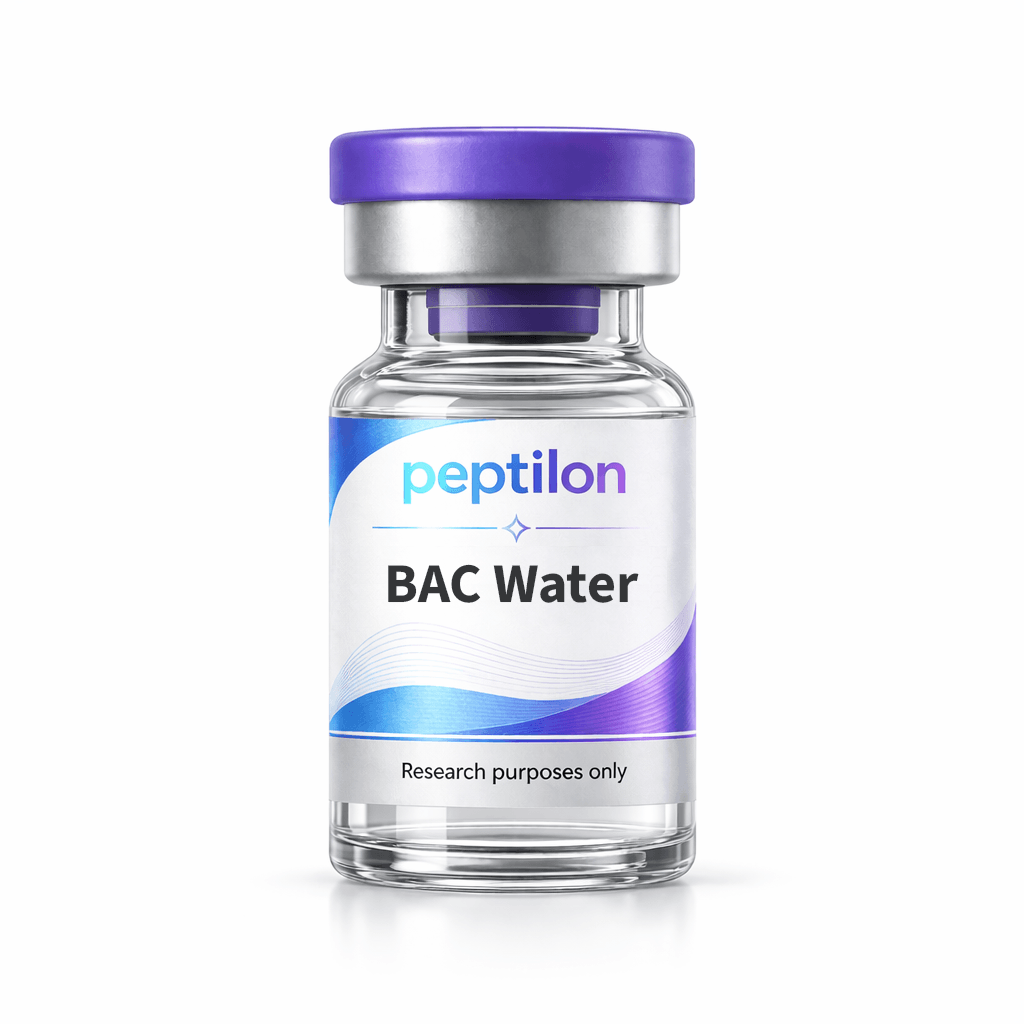
Bacteriostatic Water (BAC Water)
Bacteriostatic Water is the gold standard solvent for reconstituting lyophilized (freeze-dried) compounds. Formulated with 0.9% benzyl alcohol, each vial stays sterile and stable for up to 28 days after first use — giving you reliable, multi-dose access without compromising purity.


- Sent from the Netherlands
- Delivery to pickup point available
- Discreet shipping
Description
Description
Bacteriostatic Water — commonly referred to as BAC water — is sterile, purified water containing 0.9% benzyl alcohol as a bacteriostatic preservative. Unlike standard sterile water, which must be discarded immediately after a single use, BAC water can be punctured multiple times while maintaining its sterility. This makes it the practical choice wherever repeated access to a sterile solvent is required.
Why 0.9% Benzyl Alcohol Matters
The benzyl alcohol component is what sets bacteriostatic water apart. At 9 mg/mL, benzyl alcohol works by disrupting bacterial cell membranes, preventing microbial growth from taking hold inside the vial. This means once you draw from the vial and recap it properly, the remaining solution stays protected — not just for a few hours, but for up to 28 days under normal storage conditions.
The Standard Choice for Reconstitution
BAC water is widely used to reconstitute lyophilized (freeze-dried) compounds, including peptides, growth factors, and other injectable preparations. The sterile, preservative-containing solution dissolves powdered compounds cleanly without introducing contaminants, preserving the integrity of the reconstituted solution across multiple uses.
When accuracy matters, the solvent matters. Bacteriostatic water gives you a stable, repeatable base — so you can focus on your protocol, not your prep.
Additional information
Additional information
| Name | Bacteriostatisch Water (BAC Water) |
|---|---|
| Contents | 3ml, 10ml |
Usage and disclaimer
- Intended solely for research purposes.
- Not intended for human use, diagnosis, or treatment.
- Only for qualified personnel in a controlled research environment.
- By purchasing this product, you confirm that you have read these Terms of Use and agree to standard research practices.
Related products
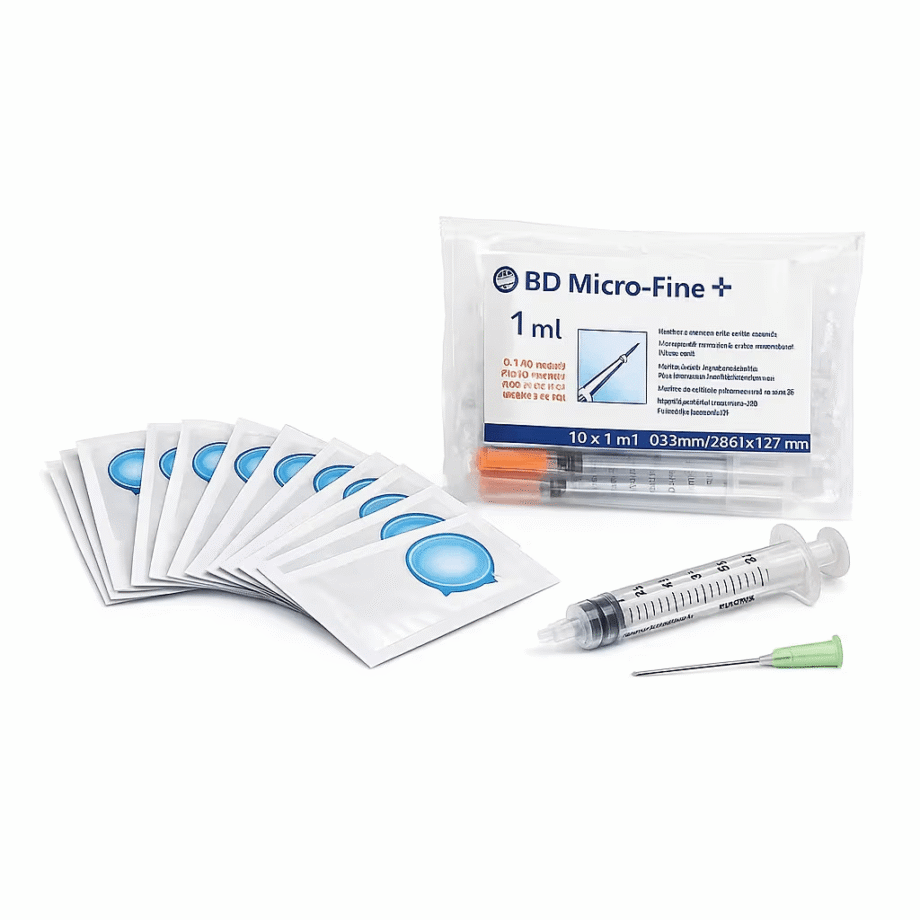
Research kit
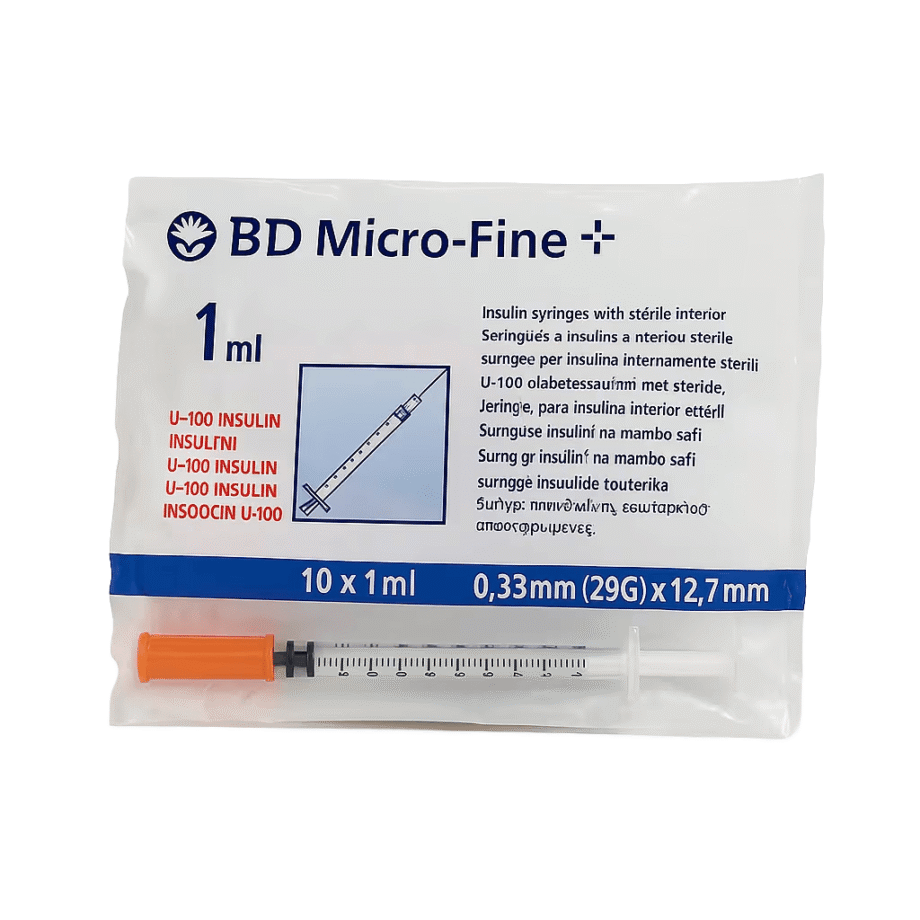
Insulin needles