TB-500
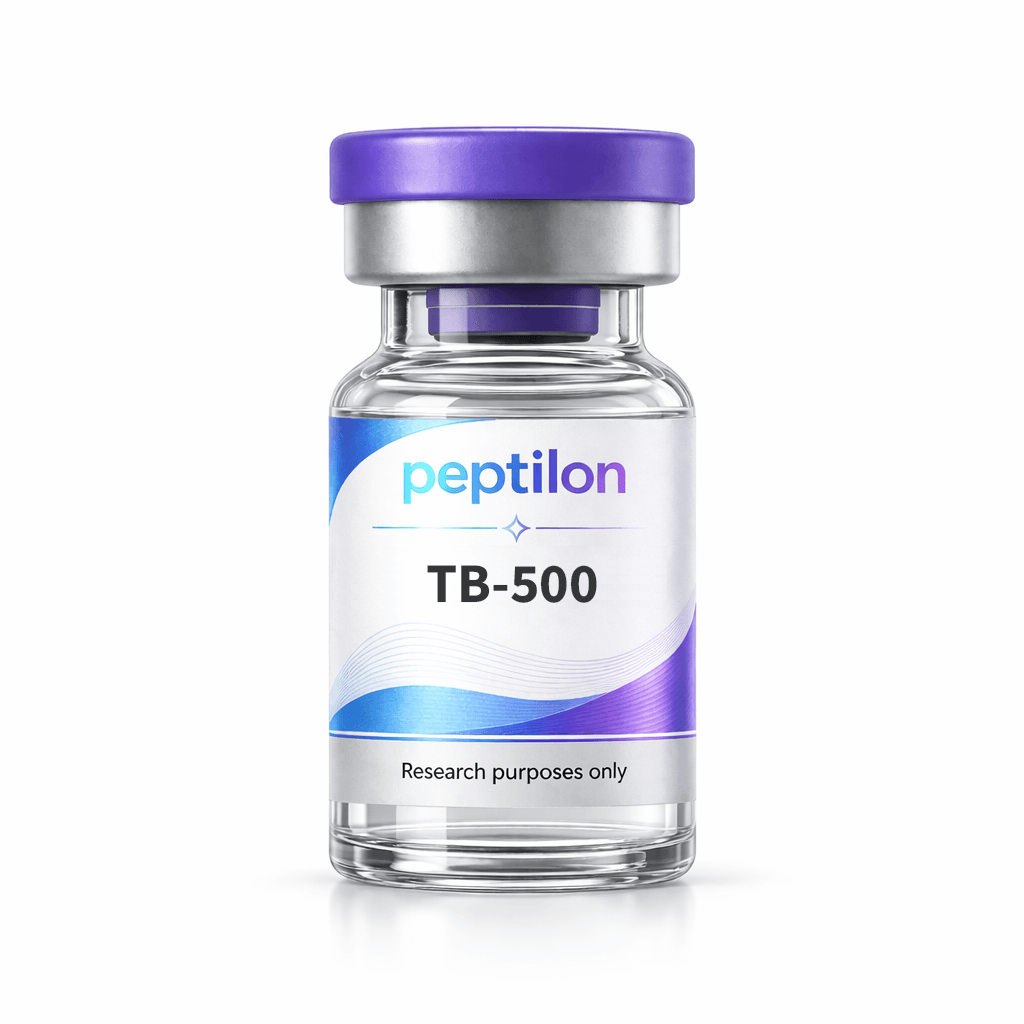
TB-500 is a synthetic fragment (regions 17-23) of the naturally occurring protein Thymosin Beta-4 and is being studied in research for its role in cell migration, tissue regeneration, and angiogenesis.


- Sent from the Netherlands
- Delivery to pickup point available
- Discreet shipping
Description
Description
TB-500 is a widely discussed research peptide that has built a strong position in specialized catalogs thanks to its recognizable name and clear peptide identity. For suppliers looking to structure their product range professionally, T-B500 is a logical and commercially strong addition.
Within a research context, this peptide is known for its relationship to models regarding tissue response, mobility, recovery, and broader regeneration-oriented positioning. Consequently, TB-500 is often associated with tendons, muscles, and the recovery context in commercial product copy.
TB-500 is discussed in scientific and market-oriented settings due to potential interactions with processes surrounding cell migration, tissue response, and specialized recovery models. This gives the product a strong and immediately recognizable identity within premium catalogs.
Our positioning of TB-500 is clear: a high-quality presented research peptide with clear labeling, well-presented product specifications, and a premium tone of voice. Important: intended exclusively for research use only. Not for human consumption, diagnostic or therapeutic use. TB-500 is an investigational molecule and is only legally available within clinical studies.
TB-500 lyophilized powder (>99% purity) in a 3 ml bottle. *Requires reconstitution with a solvent such as BAC Water.
Additional information
Additional information
| Name | TB-500 |
|---|---|
| Type | Research Peptide: Thymosine beta-4 fragment (TB-500) |
| Concentration (mg) | 5 mg, 10 mg |
| Purity | ± 99% (HPLC – COA available) |
| Form | Lyophilized powder |
Usage and disclaimer
- Intended solely for research purposes.
- Not intended for human use, diagnosis, or treatment.
- Only for qualified personnel in a controlled research environment.
- By purchasing this product, you confirm that you have read these Terms of Use and agree to standard research practices.
Related products
GLOW Blend
KLOW Blend
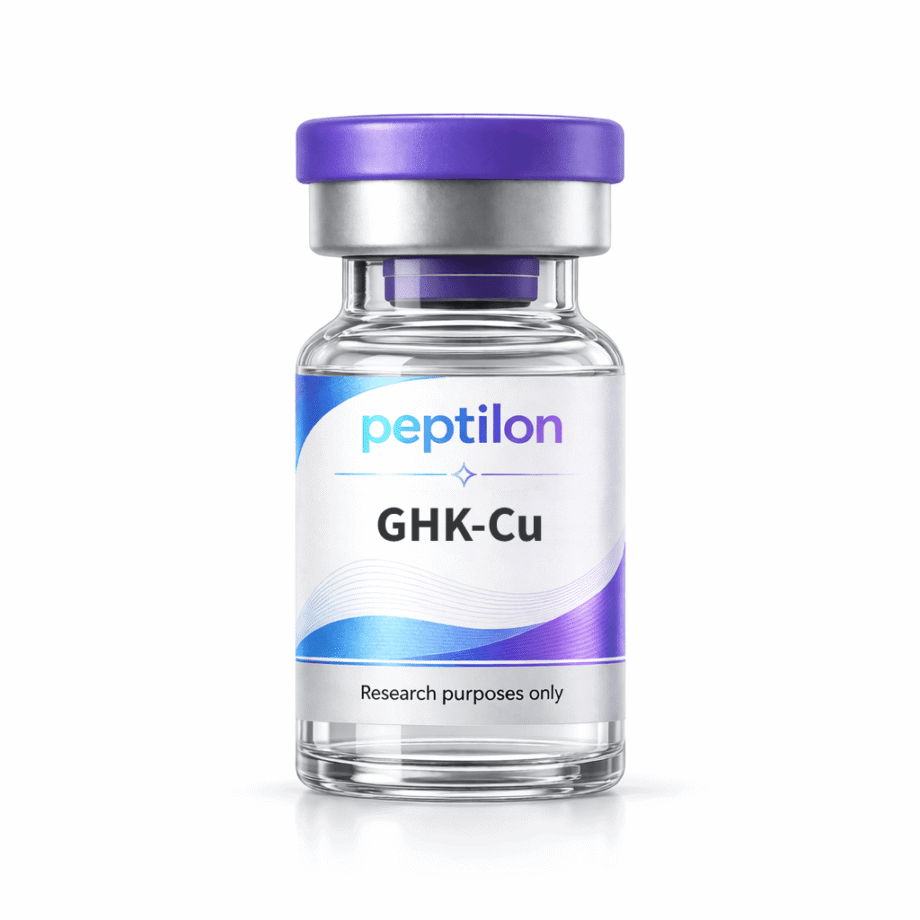
GHK-Cu